If you get your beans from a distribution service, the tag is your handshake with the roaster. It tells you where the coffee originated from, who touched it, how it was refined, and how it's likely to preference. It can additionally puzzle you with lingo, half-truths, and well-meaning simplification. After 3 years of contrasting roasters throughout Melbourne, Sydney, Brisbane, and smaller specialty outfits that deliver Australia-wide, I've discovered which lines on a bag really forecast a wonderful brew in your home and which are design. Let's decipher, meticulously and virtually, so you can buy with self-confidence from the very best Coffee Beans Delivery solutions and understand exactly what will arrive on your counter.
What matters more than the bag design
The most beautiful label isn't the most informative. The most effective labels specify. They review like a farm billing crossed with a tasting note. When a roaster devotes to information, it typically signifies tighter sourcing and fresher roasting. On the other hand, unclear language typically conceals commodity-grade beans or stagnant stock. I try to find days, areas, handling, and intent. If a label skips those, I relocate on.
Coffee Beans Distribution solutions win or shed trust fund on this point. They need to interact the journey without making you research agronomy. You do not require a PhD to check out a tag, yet you do need to understand which phrases relocate the needle in the cup.
The date that makes a decision whatever: roast day vs. best-before
The single most predictive line for exactly how your coffee will certainly taste is the roast day. Not a best-before day, not a batch code. A genuine roast day. For many specialized coffees, the pleasant spot for brewing sits between day 5 and day 30 after roasting, relying on the style and your mixture method. Lighter roasts for filter can shine at day 7 to 21. Medium espresso roasts commonly peak day 10 to 35. Really dark roasts degas swiftly and can taste flat after three weeks.
Some delivery solutions print only a best-before day 6 to twelve months out. That doesn't tell you when the beans were baked, just when the business anticipates the coffee to be passably drinkable. In Australia, many top quality roasters stamp a roast date within a day or 2 of production. If you only see best-before, presume the coffee might be older supply. That's not always a deal-breaker for milk-forward espresso, yet it's a risk for filter.
When a tag checks out "Roasted: 10 Oct 2025" and your delivery arrives on the 14th, you remain in the secure zone. If you're buying from a Coffee Beans Delivery Australia service with longer shipping times to remote areas, plan your mixture timetable appropriately. For coffee, objective to draw shots around day 10 to 20. For filter, start tasting from day 6 onward and see the illumination stabilize.
Origin: single, blend, or both with a purpose
Origin is advertising's preferred bar. The fact behind it matters. Single-origin indicates the coffee originates from one nation, typically narrowed to a region, participating, farm, or perhaps a solitary great deal. It generally indicates an unique character. A Colombian washed coffee from Huila tends to lean toward red fruit and sugar, whereas an Ethiopian all-natural from Guji can show blueberries and florals. When a tag goes even much deeper, detailing the ranch and https://zanekumz965.huicopper.com/coffee-beans-delivery-facilitated-from-roaster-to-your-cup manufacturer, I focus. Names like "Finca Las Cruces, Chalatenango" or "Bensa, Hamasho" aren't design, they're traceability.
Blends exist for stability and adaptability. A great mix isn't a discarding ground; it's a dish. Shipment services that deal with blends with respect will list the component countries and proportions, at least seasonally, and discuss the designated account: syrupy espresso for milk, or clean and well balanced for lengthy blacks.
If your label only claims "Premium Arabica Blend," you're blindfolded. If it reads "70 percent Brazil Carmo de Minas all-natural, 30 percent Colombia Tolima cleaned," you can anticipate body from Brazil and clarity from Colombia. The Most Effective Coffee Beans Delivery solutions lean heavily right into this type of specificity, since it helps clients get on taste as opposed to guesswork.
Variety: why "Bourbon" and "Gesha" aren't trivia
Variety refers to the coffee plant's genes. It influences flavor, return, disease resistance, and thickness. Some varieties, like Caturra, Castillo, or Typica, appear often and can be superb when grown and processed well. Others, like SL28 or Gesha, frequently provide obvious aromatics and greater acidity, though not universally. If a label details a selection, it's attempting to establish expectations. Bourbon can favor sweetness and satiation. Gesha can show jasmine and bergamot at high quality, yet tastes level if improperly dealt with. SL28 and SL34, typically from Kenya, recommend bright level of acidity and blackcurrant notes.
Variety isn't destiny, but it's a clue. If you choose lime-zest sparkle and black tea quality in pour overs, a tag with SL28 or Ethiopian treasure varieties is a more secure wager than a heavy-bodied Catuaí natural. When getting from Coffee Beans Delivery, allow selection guide your filter selections and your brew time. Higher-acidity ranges may need slightly cooler brew water or much shorter contact time to maintain balance.
Altitude: not a competition, a context
Altitude appears as meters above water level (masl). Higher altitude generally associates with slower cherry growth, denser beans, and brighter, a lot more complicated tastes. A 1900 masl Ethiopian might bring jasmine and citrus, while an 1100 masl Brazilian usually yields delicious chocolate and nuts. Neither is better. They're various tools in your house developing kit.

Be skeptical of labels that pump up numbers or list a comically wide range like "800 to 2300 masl" without extra context. A limited range that matches an area's fact is extra trustworthy. If you make coffee at home and dislike piercing level of acidity, you might grab something in the 1200 to 1600 masl array refined as washed or honey. If you live for bright filter mugs, look for 1700 masl and up, typically washed or carefully fermented.
Processing technique: cleaned, all-natural, honey, anaerobic, and the zoo beyond
Processing shapes flavor more significantly than lots of people recognize. It refers to exactly how the fruit is gotten rid of from the seed and how the seeds are dried after picking.
- Washed: Pulp removed, mucilage fermented off, beans washed tidy, then dried out. Tastes alter towards clearness, citrus, florals, and a tidy coating. If you favor tidy filter mugs, this is dependable. Natural: Whole cherry dried around the seed prior to depulping. Anticipate ripe fruit, heavier body, and in some cases a boozy or jammy character. Great in milk and enjoyable in filter if fermentation is clean. Honey: Pulp got rid of, mucilage left on during drying out. Taste rests between cleaned and natural, commonly with honeyed sweet taste and softer acidity. Valuable for well balanced espresso. Anaerobic or carbonic maceration: Fermentation in covered tanks, in some cases with regulated temperature level and carbon dioxide. Tastes can be eruptive, from exotic fruit to spice. Labels ought to define whether it's washed or natural after the container phase and for how much time. Extremely obscure "anaerobic" without details can indicate inconsistent results. Experimental terms: Thermic, double-soak, lactic, yeast-inoculated, and similar. These can be spectacular or disorderly. The very best labels discuss the actions. If a shipment solution offers a speculative lot without revealing the standard method, treat it like a blind date.
Processing drives make modifications in the house. Naturals favor a little coarser grind and slightly lower brew temperatures to stay clear of stewed notes. Washed coffees tolerate more frustration and hotter water. Anaerobics often require much less agitation, shorter flower, and a mindful dosage to maintain the cup from turning perfumy.
Tasting notes: calibration, not a promise
Labels usually detail notes like "strawberry, jasmine, panela" or "delicious chocolate, hazelnut, raisin." Consider these as a map reeled in pencil. The notes are an effort to define the expected instructions under conventional developing conditions. Two cautions: your water and your brew technique will guide the result, and you should assume notes represent family members rather than precise flavors. "Strawberry" can be any type of red-berry sweet taste and level of acidity. "Delicious chocolate" may vary from milk delicious chocolate to cocoa nib relying on roast.
If a tag's notes regularly associate your palate across various shipments, you've discovered a roaster whose cupping language matches your sensory vocabulary. That's gold for a membership. If you're new, attempt to pick tasting notes that define strength and framework as high as taste. Words like "juicy," "silky," "syrupy," or "gleaming" usually forecast mouthfeel.
One fast narrative: I purchased a washed Kenyan from a reputable Melbourne roaster with notes of "blackcurrant, tomato fallen leave, grapefruit." Brewed on a V60 with 94 C water, I tasted blackcurrant and citrus conveniently, however the mouthwatering tomato fallen leave appeared only when I reduced the pour and prolonged overall brew time by 15 secs. The tag didn't exist. It thought a specific mixture cadence.
Roast degree: light to dark, and why the middle isn't constantly safer
Most labels place roast on a range from light to dark. Count on, however validate. Two roasters' "tool" can consume extremely differently. If a solution publishes an Agtron number (generally 55 to 80 for specialized filter roasts), that's more goal. Otherwise, check out desired use: "filter roast" versus "espresso roast." Filter roasts retain even more level of acidity and nuance and can taste sharp under high pressure. Coffee roasts bring solubility and body, beneficial for constant chance ats home.
If your setup is a single central heating boiler machine with standard temperature control, a tool espresso roast with a Brazil or Colombia part will make life simpler. If you run a premium grinder and flow-control equipment, you can push lighter roasts for coffee and unlock wild aromatics. Select labels that match your devices reality, not your aspirational Instagram feed.
Traceability and manufacturer information
The best tags review like postcards from the origin. Farmer names, cooperative, great deal name, harvest home window, and processing details recommend the roaster understands the coffee past an importer sheet. In the in 2014, I have actually seen extra Australian labels list exact farm blocks and harvest months. That works. If a label says "harvest: May to July 2025," you can cross-check freshness when getting later in the year. For Main American coffees harvested in January to April, expect Australia's finest distribution to land between April and August, with late arrivals for micro-lots after that. If you're purchasing a "fresh harvest" outside of that window, the label should discuss if it's from a different hemisphere or a later container.
Certifications, principles, and what they really mean
Organic, Rain forest Partnership, Fairtrade, and direct profession cases occupy a crowded edge of the tag. Certifications suggest certain criteria, however they don't assure high quality in the cup. Nor do they define every honest practice. Several tiny farms can not manage qualification regardless of superb methods. When a label claims "straight trade," I look for specifics: years of relationship, rate paid over market, or assistance programs like agronomy training or framework. Shipment solutions that publish openness records or farm stories develop trust. If a bag carries an organic logo, it needs to be backed by cert numbers or the roaster's declaration online. If there's no detail, treat it as marketing garnish.
Packaging insurance claims: shutoffs, products, and rack life
Most specialized bags utilize one-way shutoffs to air vent carbon dioxide. If a bag misses the valve, that does not automatically imply stagnant coffee, however the roaster should be handling degassing before sealing. In Australia's environment, heat is the opponent. Even the Best Coffee Beans Delivery choice can experience if your parcel cooks in a courier van all mid-day. Look for resealable zips and, if sustainability issues to you, examine whether the bag is recyclable or compostable under regional streams. Watch out for "compostable" insurance claims without certification, considering that several call for commercial facilities.
Shelf life claims on tags can run 6 to year. In technique, for entire beans kept at space temperature level in an amazing, dark cupboard, high quality declines continuously after 6 weeks. For espresso, you can still draw acceptable chance ats 8 to 10 weeks with minor modifications, yet filter high quality glides faster.
How to get by label when attempting a brand-new roaster
If you're exploring a Coffee Beans Delivery service you haven't made use of, vet the tag prior to you strike check out. Focus on five lines: roast day, origin information, process, sampling notes, and desired brew technique. Use those to triangulate whether the bag fits your routine.
Here is a short list that gains its keep when you're standing in front of the cart:
- Roast date noticeable and within the last 2 weeks for distribution in Australia. Origin specificity beyond nation, ideally ranch or area plus harvest window. Process clearly stated with sufficient detail to set developing expectations. Tasting notes that line up with your preferences for acidity, body, and sweetness. Brew intent noted as filter or coffee, or a clear roast level spectrum.
If a label strikes 4 out of five, you're most likely risk-free. If it hits all five with extra traceability, you have actually found a roaster that values its customers.
Decoding blends for milk drinks
Flat whites and lattes prefer structure and sweetness. Labels for blends built for milk will commonly note Brazil or Guatemala for base sweetness and delicious chocolate, plus a brighter component like Ethiopia or Kenya in smaller sized proportion to lift aromatics. Search for words like "syrupy," "caramel," and "balanced," and a roast level identified espresso or medium. Prevent speculative anaerobics for everyday milk unless you want a hot fruit strike under dairy, which can be fascinating or distracting.

In my kitchen area, a 60 percent Brazil all-natural, 40 percent Colombia cleaned, roasted for coffee, regularly provides a 1.5 to 1 ratio shot that cuts through 150 ml milk with toffee and almond. When the tag shifts the Colombia approximately half and the roast leans lighter, I bump brew temperature by 1 level and expand pre-infusion to maintain the shot round.
Reading registration labels month to month
Subscriptions are where labeling consistency matters most. Good solutions publish the coffee before it ships, with enough detail to make a call. Some consist of brew overviews tailored to the great deal. If your Coffee Beans Delivery membership swaps beginnings seasonally, expect flavor drift. That's typical. What you want is repeatable intent, not a dealt with mug. If the label always informs you the procedure and roast design, you can adjust.
If you obtain an unanticipated natural procedure when you choose cleaned, message the roaster. Numerous will swap your following shipment or adjust your account. The Best Coffee Beans Delivery providers in Australia often tend to maintain two or three membership tracks: timeless coffee, daring coffee, and filter. Labels mirror those tracks with language like "traditional," "convenience," or "exploratory."
Water and the label: the missing piece
Two bags with the same labels can make in a different way in your kitchen because your water make-up is not the roaster's. Specialized roasters often mug around 50 to 80 ppm alkalinity and 70 to 120 ppm total solidity. If your tap water is much greater, level of acidity will squash and chocolate notes control. If it's extremely low mineral, the mug can taste thin. Some tags now include a water recommendation. If they don't, examine the roaster's website. If you keep a basic recipe available, like 100 to 120 ppm solidity and 30 to 40 ppm alkalinity making use of a concentrate or mineral packages, you'll obtain closer to the label's promise.
I have actually watched an Ethiopian cleaned with "lemon, jasmine, peach" beverage like lemon zest and white sugar in Melbourne's softer water, then slide toward wonderful tea and lemon friendly in Perth tap without change. The beans really did not alter. The water did.
Grind guidance concealed in ordinary sight
If a tag lists thickness or lot screen dimension, it's handing you a work tip. Denser beans, often from higher altitude or particular selections, can need a finer work to remove effectively. Big display sizes often crack in different ways and may need small modifications. These information are rare yet beneficial. Extra frequently, the roast level is your finest overview: lighter amounts to finer, darker amounts to coarser for the exact same mixture time.
For coffee, if a tag shows a light filter roast and you still wish to pull shots, plan for a much longer proportion, perhaps 1 to 2.2 or 1 to 2.5, slightly greater temperature level, and person pre-infusion. If the label states "coffee roast, chocolate and nougat," a classic 1 to 2 ratio at modest temperature level will likely strike the target.
When the tag is silent
Some shipment listings hardly state anything: beginning country, generic notes, and a rather name. In those cases, lean on the roaster's track record. Examine their social channels for harvest updates, see whether they release openness reports, and review client evaluations that discuss dates and make methods. If nothing offers you confidence, acquire a smaller sized bag initially. A 250 g examination that dissatisfies is far better than a kilo of compromise.
One functional relocation: create the roast day and your ideal brew criteria on the bag, then compare to the next delivery. You'll construct a home referral that punctures labeling inconsistency.
Australia-specific quirks to watch
Delivery times in Australia differ by state and distance. A Sydney roaster delivery to Perth can lose 3 to five days to transportation. Services that roast to order are perfect, but they require a little persistence. If the label claims roast days are Monday and Thursday, time your order so your bag doesn't being in a stockroom over the weekend. Warm months can accelerate staling. If your parcel remains on a front door in January, anticipate the degassing contour to jump. Some Coffee Beans Delivery Australia solutions offer shielded packaging at a tiny premium. That can be worth it for especially fragile lots.
Also note that personalizeds delays don't use locally, but container delays upstream do. If a roaster's label calls a coffee "fresh plant" long past typical arrival windows, ask for the harvest date. The majority of will happily share it.
Interpreting price alongside the label
Price reflects a mix of green coffee price, roast set size, and brand positioning. Let the label validate the price. If a 250 g bag rests above the usual range, I expect a microlot with traceable farm information, a complicated process, or a special selection. If the bag is priced as a day-to-day vehicle driver, the label needs to interact dependability and objective greater than spectacle. For day-to-day coffee assimilate Australia, 250 g normally varies from 14 to 22 AUD. Single origins usually sit in between 18 and 28 AUD, with rare ranges and experimental processes climbing up greater. High price with reduced info is a red flag.
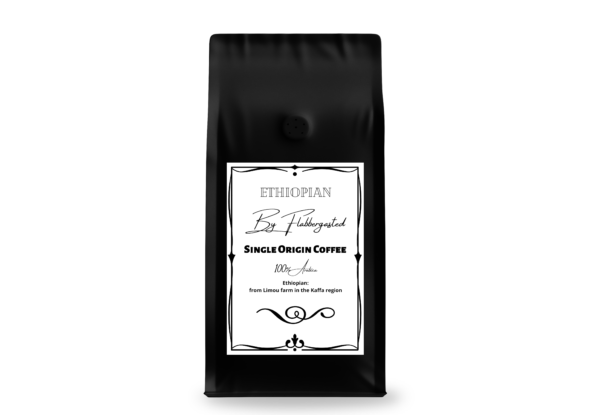
Putting it to work on your counter
Reading tags is not a theory exercise. The value lands when you readjust developing based on what the bag informs you and taste the distinction. Here is one tight, functional series for dialing a brand-new bag based on its tag:
- Start within the roast day's optimal home window for your technique, aiming for day 7 to 21 for filter, day 10 to 30 for espresso. Set preliminary mixture parameters assisted by procedure and roast level: hotter and much more frustration for cleaned, gentler for naturals and anaerobics; finer for lighter roasts. Taste, then readjust grind one notch at a time to chase after the label's framework words before its flavor nouns, as an example "juicy" or "syrupy" prior to "blueberry." Revisit water if the label's level of acidity insurance claims seem soft or harsh, targeting moderate hardness and alkalinity. Log the shot or put, after that compare to the next shipment. Patterns arise faster than you expect.
Final ideas prior to your next order
Labels are a conversation with the roaster. The very best ones, from the very best Coffee Beans Delivery providers, respect your knowledge and your taste. They provide you roast day, beginning information, procedure clearness, tasting notes that straighten with fact, and a clear intent for brew method. They prevent fluff, own their choices, and help you make better at home.
If you read with an interested however skeptical eye, you'll waste much less money, discover even more coffees you enjoy, and transform every provided bag into a prepared experience as opposed to a guess. Whether you're covering up a membership or searching down an unique whole lot, the label is not the goal, it's the beginning gun. And as soon as you learn its language, it's one of one of the most valuable tools you have for getting the most from Coffee Beans Delivery, in Australia and beyond.